
A U.S. battery materials startup has secured $300 million to expand operations, promising drivers 20 percent more electric vehicle range without significantly enlarging the car’s battery pack. The company, Sila, claims its technology improves energy density not by replacing existing lithium-ion batteries entirely, but by refining one of their core components: the anode. According to the company, its Titan Silicon material could deliver range increases of between 20 percent and 40 percent over standard graphite anodes found in most current EVs. Sila says the solution also enables faster charging, though it has not released specific figures for the charging speed improvement.
Scaling up production in Moses Lake
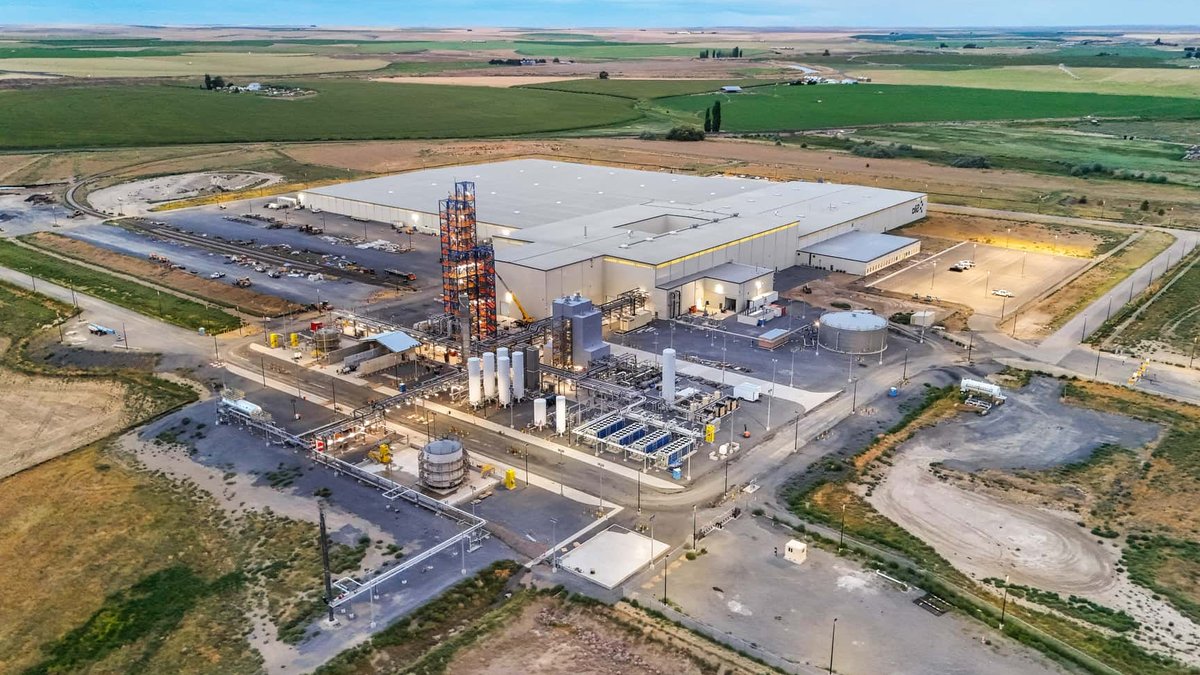
The new capital will fund the expansion of Sila’s factory in Moses Lake, Washington. The site covers 160 acres and began operations in fall of last year. The facility is currently ramping up from an initial capacity of 2 gigawatt-hours. The company projects the site could reach an annual capacity of 250 GWh within five years, a figure that would make it the largest anode production facility globally.
Related: Electric cars outsell gas and diesel in Germany
Major OEM agreements
Sila has already established supply agreements with Mercedes-Benz and Panasonic Energy. Mercedes plans to use the Titan Silicon anodes in a future generation of its G-Class SUV. The German automaker is not the only one testing the waters; the Mercedes-AMG GT 4-Door EV already incorporates silicon in its battery anodes. That vehicle achieves a 10 to 80 percent charge time of 11 minutes and a peak charging power rating of 600 kW. Panasonic intends to integrate the material into its next-generation EV battery cells.
Sila already has contracts to supply its anode material to Mercedes-Benz and Panasonic Energy, along with other companies that were not named. Mercedes previously announced plans to use Titan Silicon in a future electric G-Class, while Panasonic intends to incorporate the material into next-generation EV battery cells.
Related: Podcasts on Lab grown diamond engagement rings
The challenge of expansion
While silicon can store more lithium than graphite, it also swells and contracts during the charging and discharging process. That physical expansion can damage the anode, accelerating battery degradation, which is why most production batteries currently use only relatively small quantities of silicon blended with graphite.
General Motors also expects automakers to gradually increase the silicon content of their batteries. It says the technology could allow manufacturers to shrink battery packs, lower vehicle weight, and eventually reduce costs without waiting for an entirely new type of battery to reach production.


