
Jaguar’s reputation for daring design choices stretches back more than nine decades, and the all-electric Type 01 is just the latest flashpoint in a long line of controversial moves.
From the XJS to the XJ40: Early Experiments
When the company sought a successor to the iconic E-Type in the early 1970s, it introduced the XJS. The four-seat grand tourer featured a V12, pronounced buttresses and a rear-mounted cabin, a look that bewildered traditional buyers.
At launch, critics dismissed the XJS for its unconventional styling and for offering a V12 during a global oil crisis. Yet over two decades the model received incremental upgrades to powertrains, interior quality and chassis rigidity, eventually becoming a collectible classic.
Today a well-preserved XJS can be bought for as little as £15,000, while pristine examples command around £40,000. As original E-Types climb into the six-figure range, the XJS’s value trajectory appears set to continue upward.
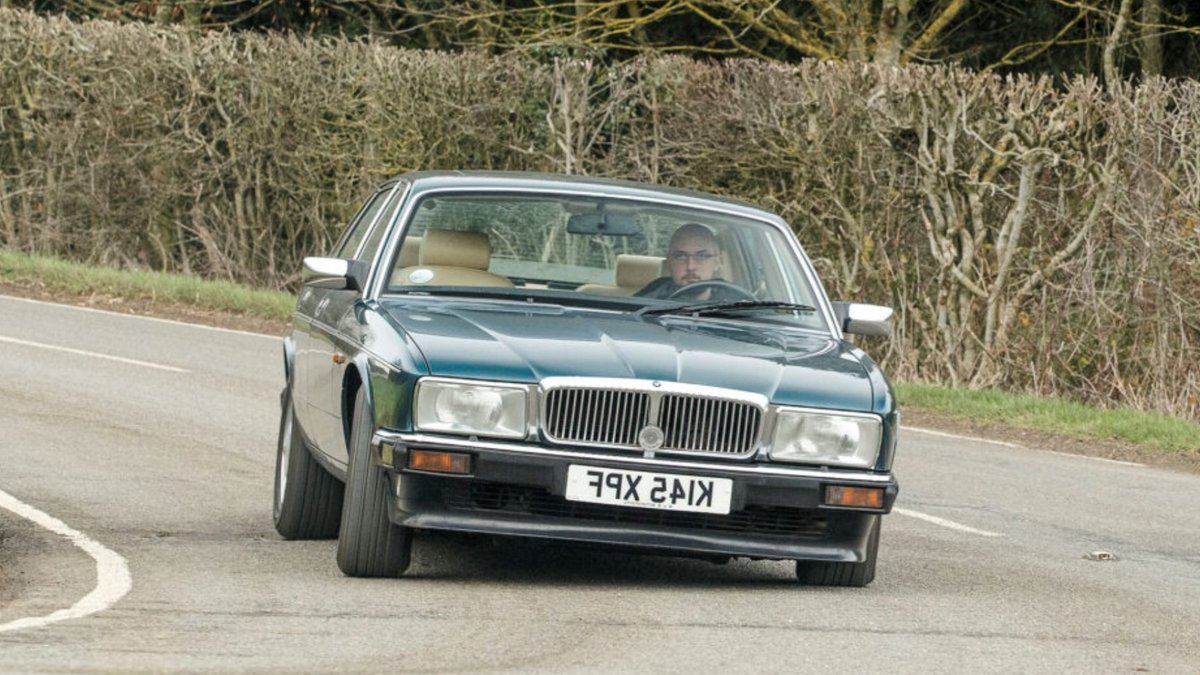
The XJ40 marked a deliberate shift toward improved reliability in the 1980s. Jaguar reduced the number of body panels, lightened the car and added a stronger crash structure, aiming to shed a reputation for fragile build quality.
Visually, the XJ40 abandoned the brand’s swoopy silhouette for a boxier, square-headlamp design. The change signaled a desire to compete directly with contemporaries rather than rely on heritage cues.
Early production XJ40s suffered from odometer glitches, oil-leak-prone distributors and under-engineered front-wheel bearings. The automaker eventually corrected these flaws, but the initial issues colored public perception of the model.
Despite the setbacks, owners praise the XJ40 for delivering near-luxury comfort at a fraction of a Bentley’s price. Well-maintained examples can be found for around £15,000.
Supercar Ambitions and SUV Turnarounds
In the late 1980s the automaker pursued a supercar to challenge Ferrari and Lamborghini, unveiling the Jaguar XJ220 concept with a 6.2-litre V12 and active rear wing.
Regulatory constraints forced the production model to replace the V12 with a turbocharged 3.5-litre V6 and drop the four-wheel-drive system. Even with these compromises, the XJ220 reached an official 217 mph, outpacing the Porsche F40 and Lamborghini Diablo.
The I-Pace, launched in 2018, was one of the first premium electric SUVs, predating the Audi e-Tron and Mercedes EQC. Its initial range and dynamic chassis gave it an edge over early rivals.
Although the I-Pace was withdrawn from showrooms in 2025, its legacy endures as a template for luxury electric performance, influencing the design language of subsequent EVs across the industry.
1988 British Motor Show debut and brief speed record
The XJ220 concept rolled out at the 1988 British Motor Show after Jaguar’s engineers worked through the night to complete it in time in its era. It featured a 6.2-liter V12 engine, a speed-reactive variable rear wing, and a four-wheel-drive system that was complicated.
For a short interval before the McLaren F1 entered production, Jaguar held the title of the world’s fastest production car.
Type 01: A Modern Echo of the XJS
Its silhouette mirrors the XJS’s pronounced buttresses, a design cue intended to cut drag in an era of tightening emissions standards. The vehicle’s proportions are markedly wider than previous Jaguars, giving it a presence that some longtime enthusiasts find jarring.
Early commentary highlighted the split among Jaguar loyalists: traditionalists questioned the shift away from internal-combustion heritage, while progressive buyers praised the firm’s willingness to explore electric propulsion. The model entered a market where premium electric offerings were still scarce, positioning Jaguar as an early mover once again.
By delivering a premium electric model with a distinct silhouette, the company set a reference point that other luxury marques have begun to emulate.


