
Electric vehicles outsold every other fuel type in Germany last month, becoming the top choice in Europe’s largest car market for the first time.
The change follows years of diesel and gasoline dominance in a country known for high-performance internal combustion engines. The Federal Motor Transport Authority reported that Germans registered 84,057 new electric cars in June, a 78.2% increase from the same month last year.
EVs now lead Germany’s new car market
Hybrids came in second with 83,315 registrations, while gasoline cars accounted for 60,796. Diesel and plug-in hybrids lagged behind, with 33,862 and 32,212 registrations, respectively.
Those figures gave electric vehicles a 28.4% market share, slightly ahead of hybrids at 28.1%. Gasoline models held 20.5%, diesel 11.4%, and plug-in hybrids 10.9%. Total new car registrations reached 296,378, up 15.7% from the previous year and a sharp rise from May’s 239,448.
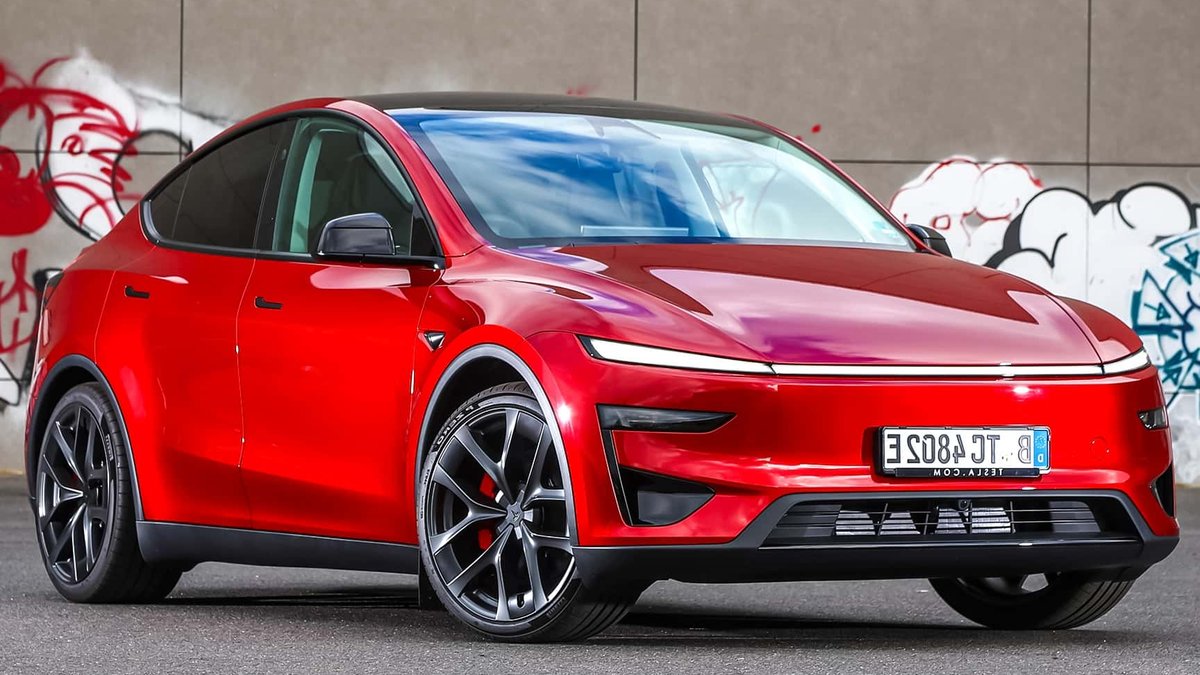
The Tesla Model Y was the best-selling electric car, with 6,023 registrations—enough to rank third overall. Volkswagen’s ID.3 followed with 3,514 units, while the Skoda Enyaq had 3,383. The Skoda Elroq, once the top-selling EV, dropped to fourth after the Model Y’s strong performance.
Volkswagen led all brands with 51,058 total registrations. BMW and Skoda placed second and third, with 26,119 and 24,963 units, respectively.
Electric cars still represent a small portion of Germany’s active vehicle fleet. Of the country’s 61 million registered cars, only 4.1% were electric at the start of 2026. Gasoline vehicles made up 59.3%, including commercial and older models.
Related: Bentley EV to Mimic V8 Engine Sound
The contrast highlights that while adoption is growing, replacing the existing fleet will take time. The change involves more than new sales—it requires phasing out decades of combustion-engine vehicles.
Factors behind the shift
The rise in EV sales matches broader European trends, where stricter emissions rules and incentives have pushed automakers to focus on electric models. Germany’s policies, such as purchase subsidies and charging infrastructure expansion, have helped make electric cars more practical.
Tesla’s continued success reflects its ability to scale production and meet demand, particularly with the Model Y, a compact crossover that appeals to many buyers. Volkswagen, Skoda, and other traditional automakers have expanded their EV lineups, but Tesla’s early advantage in software, range, and charging networks has kept it ahead.
The market remains unpredictable. While electric cars now outsell individual fuel types, hybrids remain nearly as popular, and gasoline vehicles still account for one in five new registrations. The transition depends on consumer behavior, infrastructure, and economic conditions.
The data shows how much progress electric vehicles have made in a country once defined by diesel. Yet most cars on German roads still run on gasoline, and many will for years to come.
June’s figures capture a moment of progress, not a final outcome. The real challenge will be sustaining momentum as subsidies end and competition from Chinese automakers grows. If sales hold steady, Germany’s shift could influence the rest of Europe.


