
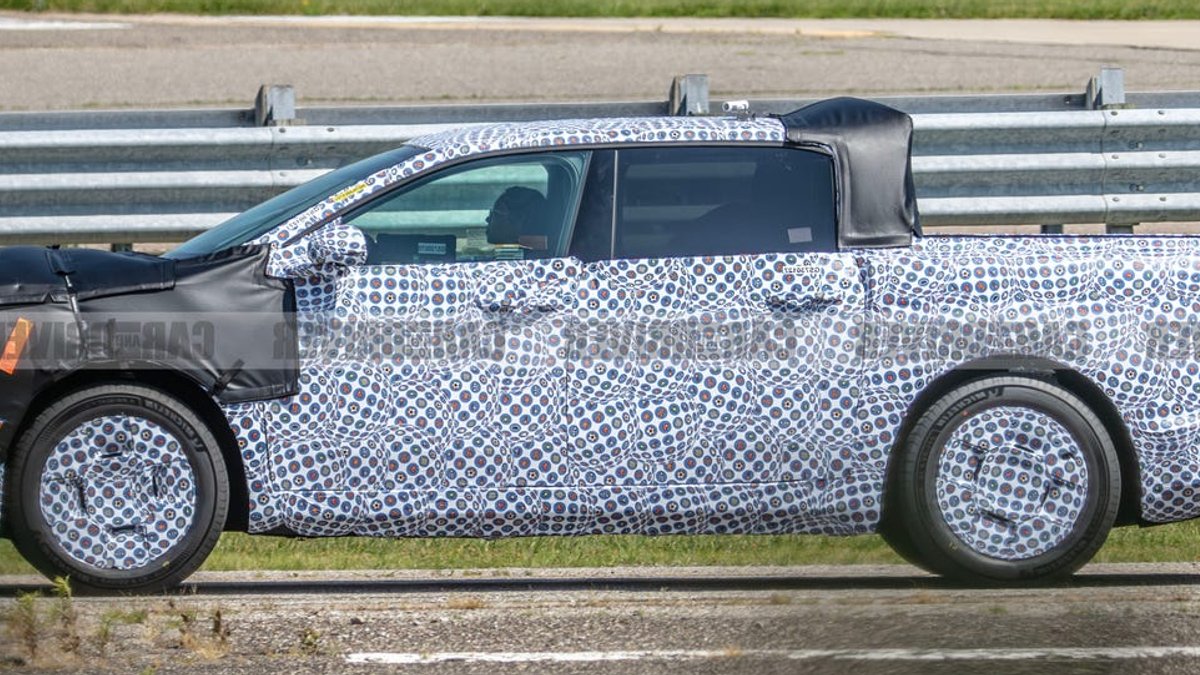
Ford will equip its upcoming $30,000 electric truck with Apple Maps, the first time the automaker has integrated the tech company’s mapping software into a vehicle.
The truck, expected to start production in 2027, will run on Ford’s new Universal Electric Vehicle platform. While its official name remains unconfirmed, some reports suggest it may be called the Ranchero. The vehicle will use Apple’s MapKit technology instead of Google’s navigation system currently found in most Ford models.
Apple Maps to enhance driver-assistance features
Apple’s software will support Ford’s advanced driver-assistance systems. The automaker’s in-house software division, Latitude AI, plans to use the mapping data to improve hands-free driving and future autonomous functions. In January, Ford revealed that Latitude AI was developing a model to support self-driving capabilities, including potential eyes-off autonomy.
Ford already offers BlueCruise, a hands-free system that operates on select highways. It can adjust speed, change lanes, and maintain lane position without driver input, though drivers must stay alert. The Apple Maps integration may extend these features into urban areas, where navigation becomes more complex.
Eddy Cue, Apple’s senior vice president of services and health, described the software as the most accurate mapping experience available. Ford CEO Jim Farley said the collaboration would simplify driving. A key advantage for electric vehicle owners: the system can find charging stations and prepare the battery before arrival, increasing efficiency.
Related: The Easiest Way to Move Things Around the Gold Coast: Car, Ute, and Van Hire Made Simple
Ford moves away from Google’s navigation
Ford’s choice to adopt Apple Maps makes it one of the first automakers to reduce reliance on Google’s navigation platform. Most manufacturers use Google’s software for in-car mapping and search, but Apple has been working to expand its presence in the automotive sector. The UEV platform, built for affordability, could help Apple gain ground in a market where cost often influences technology decisions.
The $30,000 electric truck will be the first vehicle to test this partnership. Spy photos show a large central touchscreen, which will likely display Apple’s software. While Ford has only confirmed the truck, the company has suggested the UEV platform may later support vans and SUVs.
If the integration works well, other automakers may follow. Apple’s mapping data already appears in some third-party apps, but direct integration into a major manufacturer’s vehicles signals broader ambitions. The change may reflect corporate partnerships more than immediate improvements for drivers.
Ford has positioned the UEV platform and Latitude AI’s work as part of an effort to make autonomous driving more affordable. For now, attention remains on the electric truck, which won’t reach the market until 2027. Until then, Ford’s BlueCruise system will continue developing, with or without Apple’s involvement.
The truck’s size resembles the Maverick, Ford’s current compact pickup. Its low price could help it compete in the electric vehicle market, especially if the Apple Maps integration proves dependable. With production still years away, the partnership’s full impact remains uncertain.


