
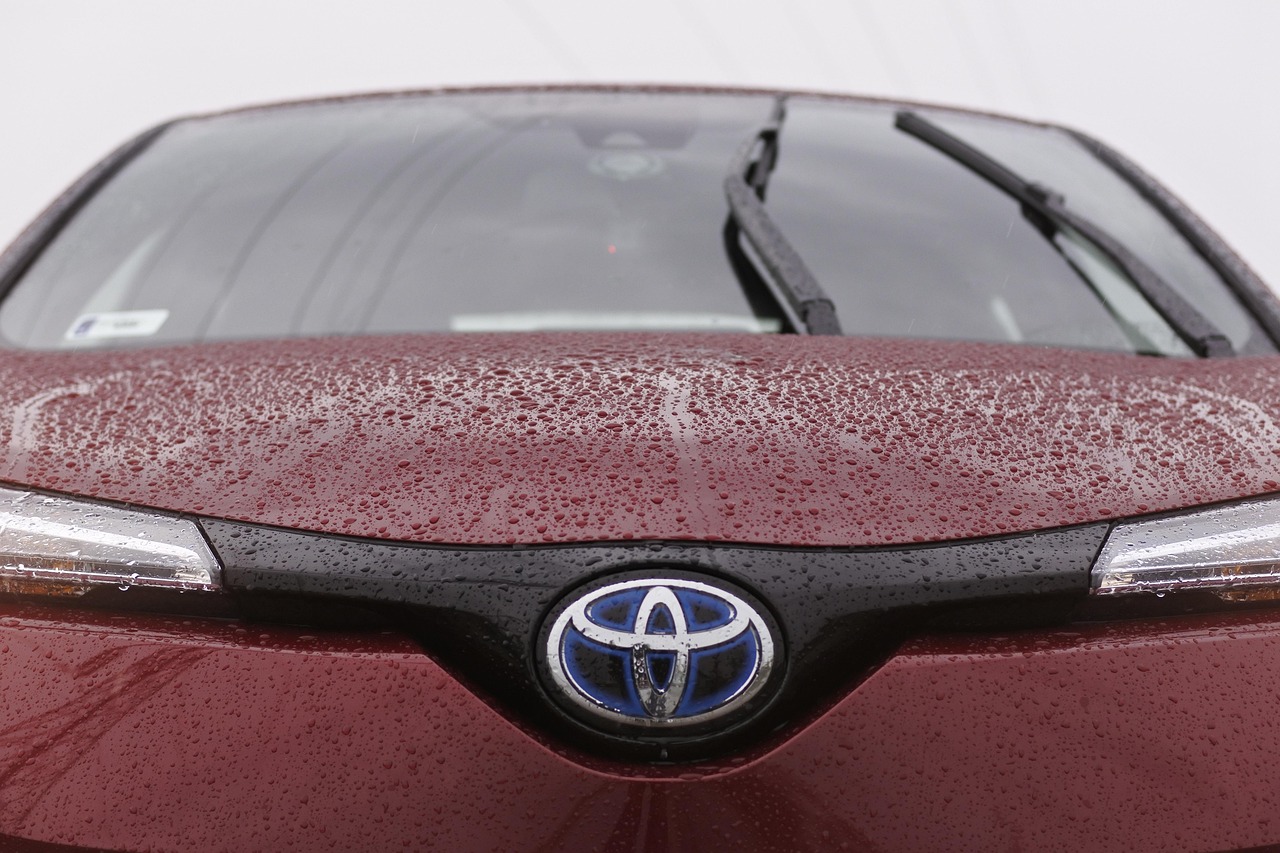
Toyota EV sales have more than doubled so far this year, according to data compiled by Cox Automotive.
Sales jump fuels a shift in the U.S. electric market
From January through June, the automaker sold 21,855 electric vehicles in the United States, a 136 % increase over the same period a year earlier. The surge places Toyota among the top five EV sellers in the country, a ranking highlighted in the Cox report released on Friday.
Last year the company offered only the bZ 4X, its lone electric model. This year it added the bZ Woodland wagon and a compact C‑HR, expanding the lineup and giving buyers more options. The new models appear to be resonating with consumers, as the bZ crossovers alone accounted for 17,553 units, nearly twice the volume recorded in the previous half‑year.
In addition, the C‑HR contributed over 3,700 units, while the remainder of the total came from the bZ Woodland. The combined effect of broader styling choices and improved battery performance helped the automaker outpace rivals such as Volkswagen, Nissan, and Ford, which have seen their EV sales plateau or fall.
Industry context and competitor moves
During the first half of 2025, Toyota’s EV sales lagged behind many established players, moving only 9,249 units. By the same point in 2026, the company has overtaken those competitors, according to the same Cox figures. Some of the shift reflects broader market changes that followed the expiration of the federal EV tax credit and related incentives.
Related: Xiaomi Unveils SkyNomad Offroad Vehicle
While demand softened for many brands, several manufacturers trimmed their electric offerings. Ford announced the cancellation of the F‑150 Lightning, Volkswagen reduced production of the ID.4, and Nissan withdrew the Ariya from its U.S. lineup. Those cutbacks have trimmed the overall sales pool for the sector, making Toyota’s growth appear more pronounced.
Manufacturers continue to rely on incentives to stimulate purchases. Recent incentives have bolstered demand for the bZ series, and the firm expects the upcoming Highlander‑based three‑row electric SUV, slated for an early‑2027 launch, to keep momentum alive.
The bZ Woodland’s utility‑focused design could fill a niche that many rivals have ignored, offering a larger cargo space in an electric format.
If the automaker can sustain its current growth rate, it may secure a more durable share of the fast‑evolving EV market.
One cautious note: the rapid increase hinges on continued consumer interest and the availability of charging infrastructure.
Related: The Vital Role of Pharmacist Experts in Contemporary Healthcare
Should policy incentives wane further or supply chain constraints reappear, the pace of sales could level off.
Still, the current trajectory suggests Toyota is no longer a peripheral player in the electric arena.
Analysts note that the company’s strategic push for a “fair share” of the EV market aligns with its broader plan to transition more of its portfolio to electric powertrains.
The next‑generation Highlander, expected to debut in early 2027, will be an all‑electric model, signaling the automaker’s commitment to expanding its electric footprint beyond the bZ line.


