
Small cars and sportier models are more likely to kill their drivers than larger, more expensive vehicles, according to a new report from the Insurance Institute for Highway Safety (IIHS). The watchdog analyzed data from 2021 through 2024 to identify which models had the highest rates of driver fatalities, finding that many of the top offenders fall into the category of vehicles that are either smaller than average or sportier than average, or a combination of both.
The deadlier cars on the road
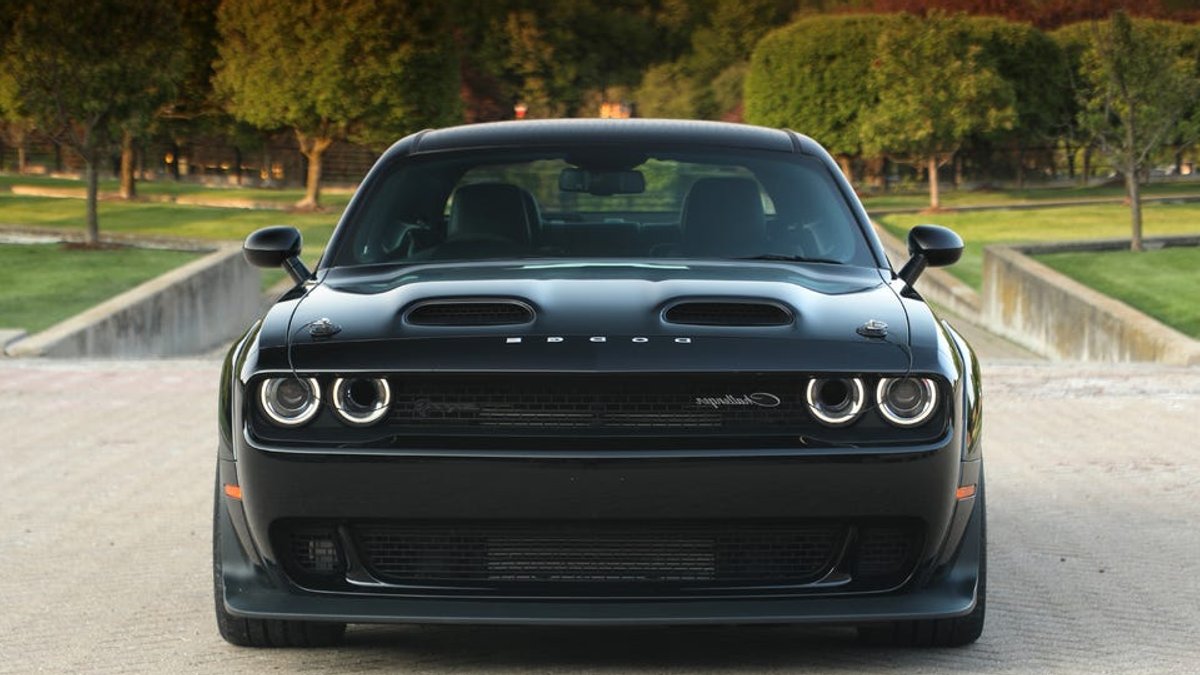
The study looked at drivers from the 2023 model year or earlier, provided the older versions shared the same design and features as the 2023 example. The list of highest driver death rates was dominated by vehicles that are compact or subcompact. The Kia Rio led the pack with 170 driver deaths per million registered vehicle-years. Other notable entries on the high-deaths list include the Chrysler 300 and Dodge Challenger, which ranked third, fourth, and fifth, with rates of 132, 127, and 125 deaths per million registered vehicle-years, respectively.
IIHS breaks out Hemi-powered Challengers separately from non-Hemi versions, placing the Hemi model one spot ahead of the standard engine. Other vehicles with high fatality rates included the Kia Forte (120 deaths per million registered vehicle years), the Nissan Altima (105 deaths per million registered vehicle years), and the Chevrolet Camaro (88 deaths per million registered vehicle-years). Even the Corvette made the top 20 list with a rate of 82 deaths per million registered vehicle-years.
Related: Ferrari Luce EV reaches first year sales target
IIHS president David Harkey said that even the safest small cars struggle in crashes with large pickups and heavy SUVs. He added that powerful engines and marketing that attracts aggressive drivers are the primary issues for sports cars and muscle cars, noting that they are dangerous mainly because of how they are driven.
Who gets hurt in these crashes?
The IIHS has been calculating driver death rates about every three years since 1989. Recently, the organization began investigating death rates for other drivers—the number of people in other vehicles killed in crashes involving each model. The models with the highest rates of other-driver deaths ranged from large pickups like the Ram 3500 Crew Cab and Chevrolet Silverado 3500 to muscle cars such as the Dodge Charger and the Camaro.
The heavy-duty Ram represents a particular danger to other drivers, accounting for an other-driver death rate of 204 drivers per million registered vehicle-years. All told, pickup trucks made up 10 of the 20 vehicles with the highest rates of other-driver deaths.
Related: Pink Ford Bronco Honors Utah’s Great Salt Lake
On the flip side, 18 of the 20 models with the lowest driver death rates are large vehicles, and six of those had death rates of zero per million registered vehicle-years. The Audi Q7, BMW X7, Chevrolet Tahoe, Mercedes-Benz GLB-Class, and Toyota Tundra made the top of the list, with rates of nil. IIHS researchers pointed out that all but one of the top six models with the lowest driver death rates were luxury SUVs. However, while these larger vehicles protected drivers inside well, the research shows that larger vehicles were predominantly responsible for the deaths of other drivers in crashes.
It is possible that even when the data are adjusted for age, a greater proportion of new or inexperienced drivers choose cheaper vehicles. Those working double shifts or multiple jobs may also log more miles per day than more affluent drivers. Differences in driver behavior most likely also explain why death rates are lower for ordinary cars than for sports cars and muscle cars and lower still for wagons.


