
Apple’s attempt to build a self‑driving vehicle, known internally as Project Titan, ended in early 2024, but the work done on that program is now showing up in the company’s consumer devices.
From a Cancelled Car to Core Chip Technology
Investments in autonomous‑vehicle research began around 2014, allocating roughly $10 billion to develop hardware, software and related patents. The effort aimed at achieving Level 5 autonomy, requiring advances in machine‑learning capability beyond what existing chips could handle.
According to the outlet, the research produced a dedicated “Neural Engine” that now resides in the silicon. This component handles on‑device AI tasks, allowing features such as facial recognition and real‑time image analysis to run without sending data to the cloud.
The engine first appeared in the iPhone X, then moved into the M1 processor that powers the MacBook line. Apple is currently on the M5 chipset, and it is working on the M6, M7 and M8 chips, all of which have AI at the top of their priority lists.
Impact on Everyday Products
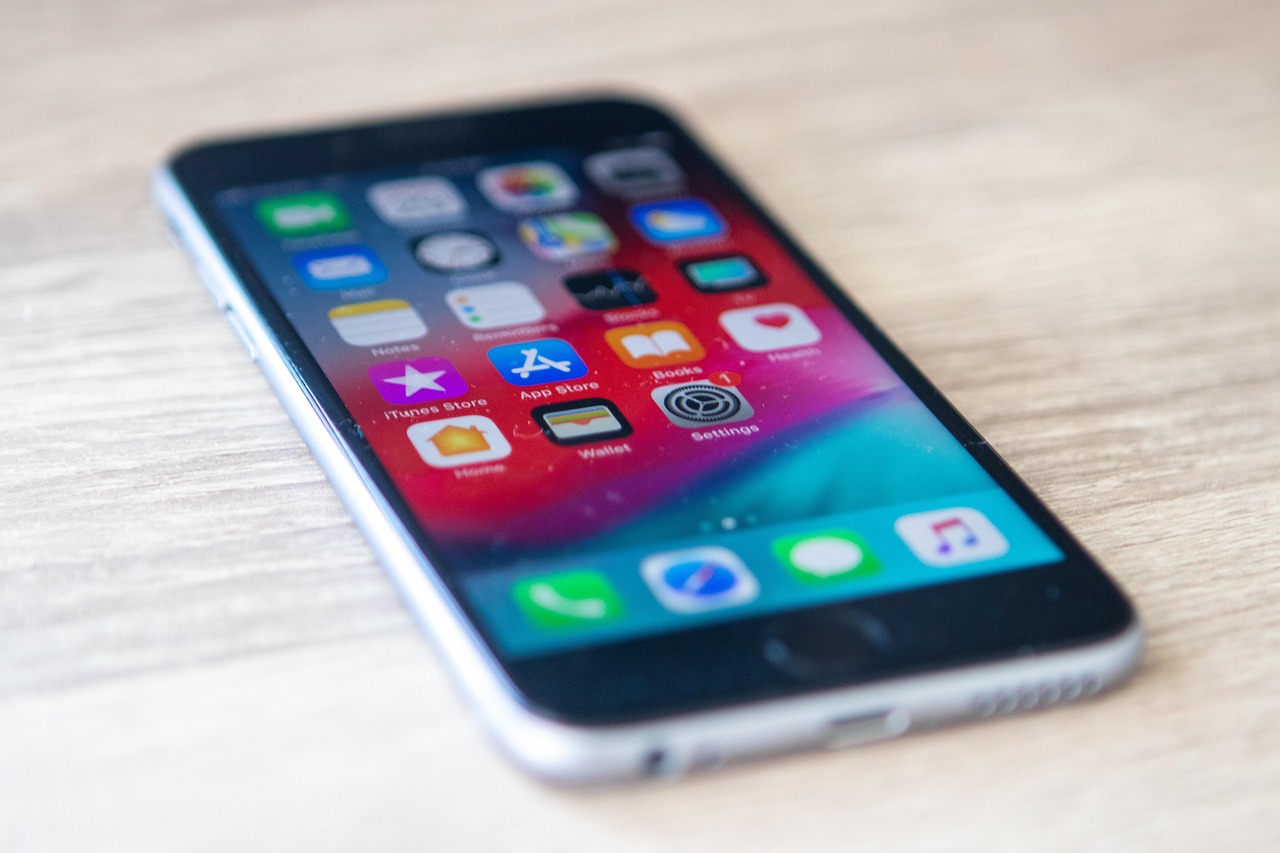
Modern iPhones, including the iPhone 15 Pro Max, now feature “Apple Intelligence,” a suite of AI‑driven capabilities that builds on the Neural Engine’s architecture. Users can ask Siri for more detailed assistance, benefit from camera‑scene detection that identifies subjects in real time, and use on‑device tools to edit photos, such as removing unwanted elements.
Related: Toyota EV sales more than double this year
These functions also appear on MacBooks, iPads and Apple Watches, creating a consistent experience across the ecosystem. The underlying processors that run Apple Intelligence on the company’s servers were refined using insights from the car project, according to the same source.
While the cancelled vehicle will never hit the road, its legacy lives on in the performance and features of the devices many people carry daily.
Looking ahead, the integration of advanced AI into hardware could influence how the firm approaches future products, from wearables to potentially new categories that blend physical and digital experiences. The technology that once powered a prototype car may now enable more responsive, context‑aware applications, suggesting that the investment was not entirely lost.
Apple’s shift from a physical automobile to a focus on silicon shows how large‑scale research can pivot when market conditions change.
The ability to repurpose the work into consumer‑grade technology demonstrates a strategic reuse of resources that could set a precedent for other tech firms facing similar project cancellations.


