
Porsche has scrapped plans to produce petrol-powered versions of its upcoming 718 models, opting instead to develop a mid-engined combustion hypercar. Earlier in September 2025, the automaker had suggested reviving internal combustion engine derivatives for the 718 lineup, alongside a petrol and plug-in hybrid mid-size SUV to succeed the Macan. These proposals, however, no longer appear in its updated strategy document, Sportwagenschmiede ’35, which now centers entirely on electric models arriving in 2027.
Matthias Rauter, Porsche’s head of corporate communications, stated the ICE 718 derivatives were never formally confirmed for production. This reversal marks a shift away from the automaker’s earlier electric vehicle ambitions. As recently as 2024, Porsche aimed for battery-electric vehicles to account for over 80% of its sales by 2030. The company now expects internal combustion and plug-in hybrids to surpass EVs in the near term, maintaining a 2-to-1 ratio.
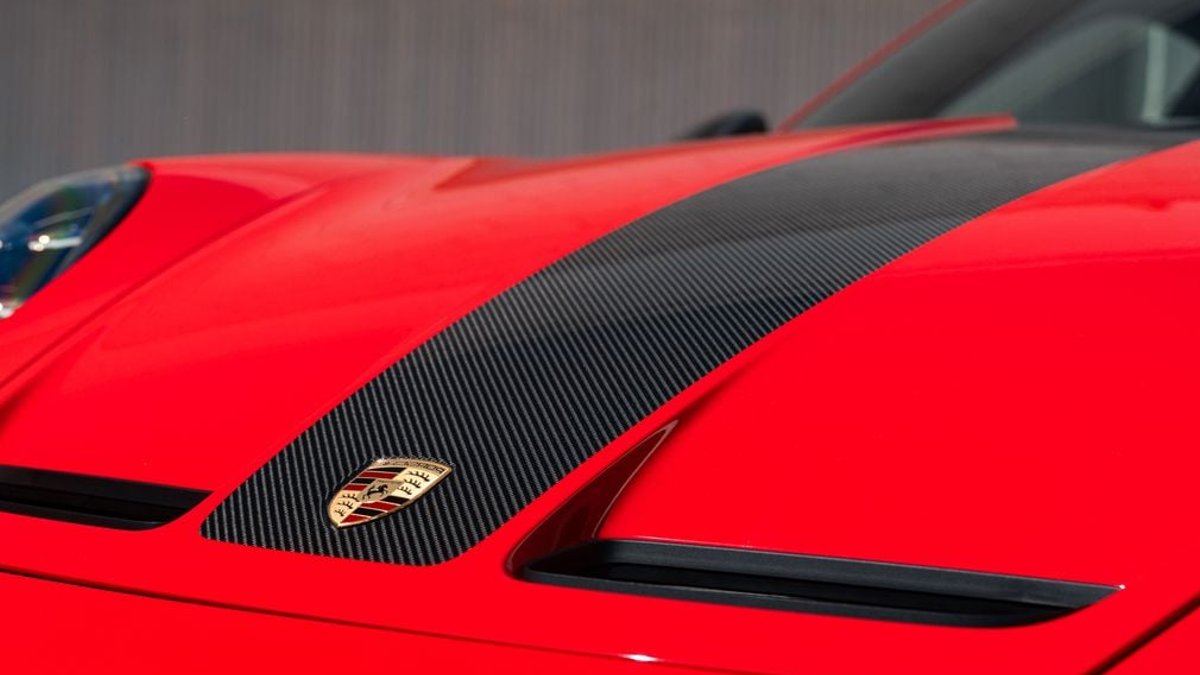
The automaker will instead unveil a mid-engined super sports car concept, the Mission S, on October 15. A teaser video released by Porsche reveals only the vehicle’s 911-like headlights, but the name implies a return to combustion engines—a contrast to its Mission E (2015) and Mission X (2023) concepts, both of which led to electric production models.
Porsche’s lineup changes extend beyond the 718. The petrol and plug-in hybrid mid-size SUV, likely sharing a platform with the Audi Q5, will launch in 2028 alongside the electric Macan. Meanwhile, development of an extra-large SUV above the Cayenne remains uncertain, now described as an exploratory project rather than a confirmed model. If pursued, this vehicle would offer petrol, plug-in hybrid, and electric powertrain options.
Under new CEO Michael Leiters, previously of McLaren, Porsche is implementing cost-cutting measures. These include a 20% reduction in sales and distribution expenses, a 40% cut in management positions, and a 10% reduction in material costs for new projects. The company also plans to shrink its model lineup by 20%, targeting a 30% increase in sales volume per variant. Higher-margin models, the 911, Panamera, and proposed flagship SUV, will see their sales share rise from 32% to 45%.
The strategy follows a difficult 2025, when Porsche’s operating income collapsed by 93% due to weak demand in China and U.S. tariffs. Sales fell to 279,449 vehicles last year, down from 310,718 in 2024 and 320,221 in its record 2023. Porsche now seeks a 10-15% return on sales in the medium term, up from 1.1% in 2025, with a long-term target of 15%. The break-even point will be lowered to 200,000 annual units.


