
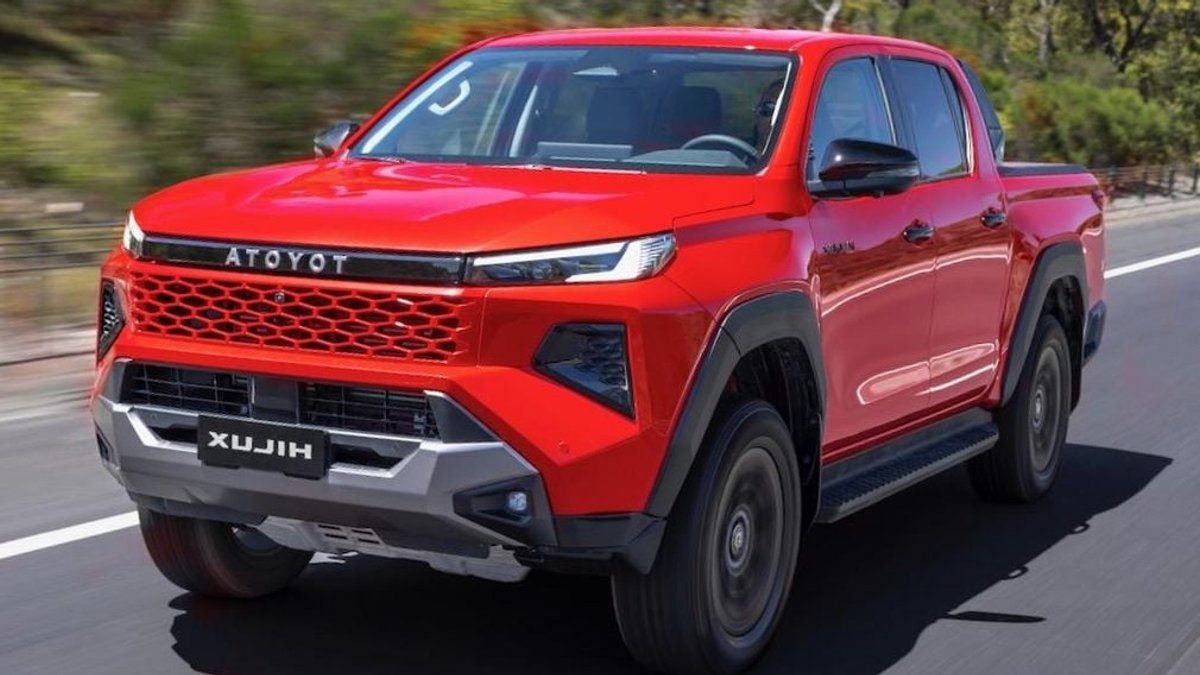
Toyota Australia is urging the government to amend emissions regulations, arguing that the present rules could unnecessarily raise prices for several of its best-selling diesel vehicles. The automaker is pressing federal officials to begin a review of the New Vehicle Efficiency Standard (NVES), the policy that establishes yearly average CO₂ limits for new cars supplied by manufacturers.
The NVES has been enforced since July 1, 2025, and the legislation requires that a review of the scheme start before the close of 2026. Toyota Australia vice-president of sales, John Pappas, warns that the standard will increase pressure on vehicle pricing from 2027 onward, especially for light commercial vehicles (LCVs), unless the framework is adjusted to be more “fair and equitable”.
Emissions Regulations and Price Hikes
Other manufacturers have echoed similar concerns. Mazda, Isuzu and Ram have all signaled that the NVES could push their model prices higher. The Ford Ranger and Ford Mustang are already listed among the vehicles that have experienced price adjustments because of the standard.
The Electric Vehicle Council notes that the NVES is central to the federal government’s goal of cutting emissions by 2035. The council’s view is that the rule provides a clear pathway toward the national target, yet the automaker maintains that the policy must also reflect consumer demand and the realities of rural and regional Australians.
Toyota’s Multi-Pathway Strategy
Across roughly 190 markets, the company follows a policy of “leaving nobody behind”, offering a “multi-pathway” line-up that includes petrol, diesel, hybrid, electric and, in the near future, hydrogen powertrains. It says that while it will keep rolling out zero-emission models, a more realistic approach to regulating light commercial vehicles (LCVs) is required.
John Pappas explained that Toyota will put forward a more equitable and practical NVES target for light commercial vehicles (LCVs) as part of the upcoming review. The firm believes that aligning customer demand with government regulation is essential to avoid disadvantaging buyers in regional areas.
Electric Vehicle Sales and Emissions Targets
Recent sales data show that electric vehicles have captured record market shares in Australia, outpacing both petrol and diesel models in August and September 2026. The Tesla Model Y mid-size electric SUV ranks among the top-selling vehicles, and the company’s own bZ4X mid-size electric SUV has also recorded strong growth.
As the NVES review gets underway, Toyota will engage with government officials to propose a more workable approach to light commercial-vehicle regulation. The company will continue to introduce more zero-emissions vehicles, but customer demand and government regulation need to be “balanced”. “We’ll be consulting government to be able to really look at a more pragmatic, realistic light commercial vehicle target under NVES that is more equitable to the Australian market. That’s what’s really important,” he said. MORE: Explore the Toyota showroom


