
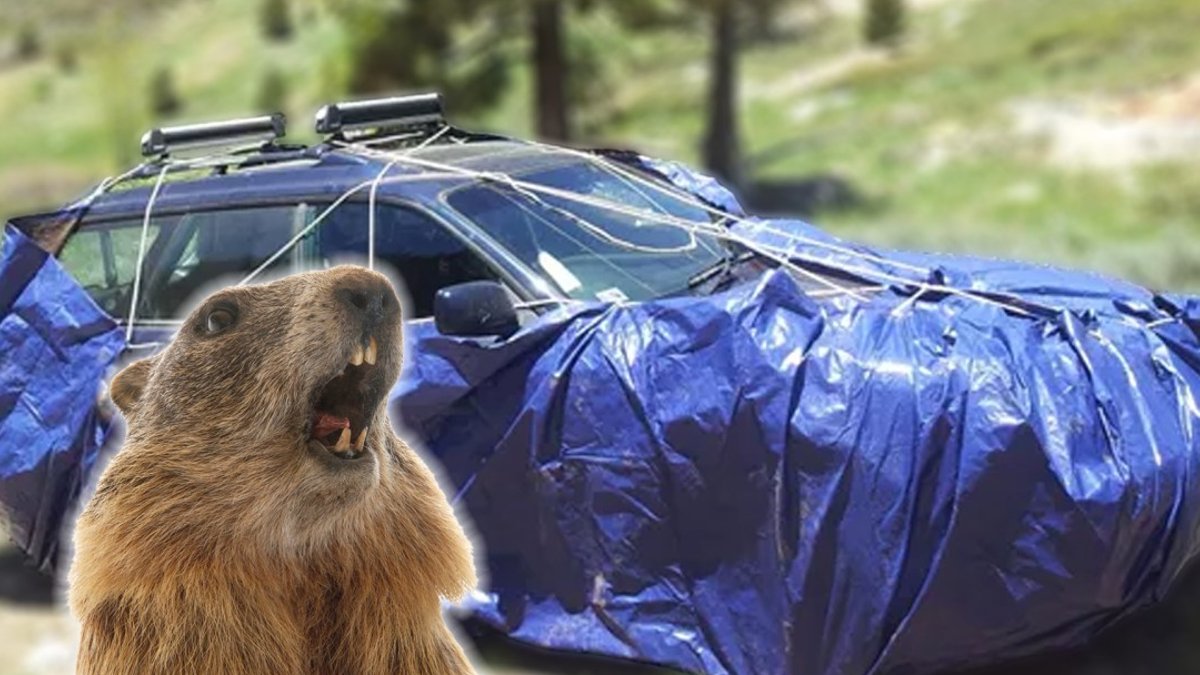
Drivers in California are wrapping their vehicles in heavy‑duty tarps to prevent marmots from chewing through coolant lines. The animals have developed a taste for ethylene glycol, which leads to rapid kidney failure and death. Park officials in Sequoia and Kings Canyon National Parks recommend using large pieces of fabric to create a barrier between the engine and the rodents.
Antifreeze as a deadly attraction
The appeal of engine coolant is not limited to marmots. Dogs and other wildlife are also drawn to the substance. The National Park Service notes that many creatures find the smell of antifreeze appealing, making spills from repair shops a significant hazard for local animals. A creature that looks like the Buc‑ee’s mascot with “yellow‑bellied” in its name is hardly “dangerous,” but the risk of death for the animal is real.
Consuming ethylene glycol, which resembles Mountain Dew, creates a dangerous chemical reaction in the body. The substance causes rapid kidney failure, resulting in a grim outcome for the wildlife that consumes it. This addiction to coolant has led to a defensive strategy among vehicle owners who park in areas frequented by these large rodents.
High‑altitude cooling issues
This issue is particularly prevalent in high‑elevation locations. Driving to Sequoia or Kings Canyon National Park involves sustained high‑load, low‑speed driving as vehicles climb from the coast or inland. This type of driving places significant strain on a cooling system, increasing the likelihood of leaks or the release of excess coolant through an overflow tube.
Drivers coming from San Francisco or Los Angeles often arrive with hotter engines that are more prone to expelling fluid. To the marmots, a leaking overflow line acts like a beer tap, providing an easy source of the sweet liquid they crave. The tarp system works by isolating the coolant from the environment, removing the scent that attracts the animals in the first place.
The war between cars and rodents is an ongoing battle for drivers in these rural areas. Marmots can chew through tarps given enough time, but the barrier effectively reduces the temptation to approach the vehicle. Protecting a car in these regions is often necessary to prevent mechanical damage and protect the local wildlife from poisoning.
Related: What a Dangerous Goods Driving Licence Actually Requires
Park rangers have published a step‑by‑step “Marmots – Protecting Your Vehicle” guide that describes how to fold a tarp, drape it over the engine compartment, and secure the edges with rope or bungee cords. The method is designed to be quick to deploy, because the longer a vehicle sits unattended, the greater the chance that a curious marmot will investigate a faint coolant odor.
The visual of a car wrapped from the bottom up like a giant hot dog has become a recurring meme on social media, yet the practice remains a practical response to an otherwise lethal situation. Visitors to the parks have reported seeing rows of vehicles with bright‑colored tarps laid flat on the ground, then folded up around the undercarriage, creating a “diaper” that catches any drips before they can reach the forest floor.
While marmots receive most of the media attention, the National Park Service reminds drivers that dogs accompanying hikers are equally vulnerable to antifreeze exposure. A single splash on a pet’s paws can be enough for the animal to ingest the toxic liquid while grooming, showing the importance of cleaning up any coolant spills immediately.
Local news outlets have covered this phenomenon for more than a decade, noting that the problem intensified as more people venture into the high‑country for recreation. The combination of increased human presence, accidental feeding, and the natural curiosity of marmots has turned a simple scent into a deadly lure.
Even though marmots possess powerful incisors capable of gnawing through metal, the tarp adds a layer of physical resistance that forces the animal to work harder and often gives the driver enough time to notice and intervene. In many cases, the tarp catches a small leak, allowing the driver to top off the coolant before the scent can escape.
For travelers heading to the remote Mineral King area or any of the trailheads within Sequoia and Kings Canyon, packing a heavy‑duty tarp has become as essential as bringing a spare tire. The practice not only safeguards the vehicle’s cooling system but also reduces the likelihood of a marmot ingesting a lethal dose of ethylene glycol, turning a potentially tragic encounter into a preventable incident.


