
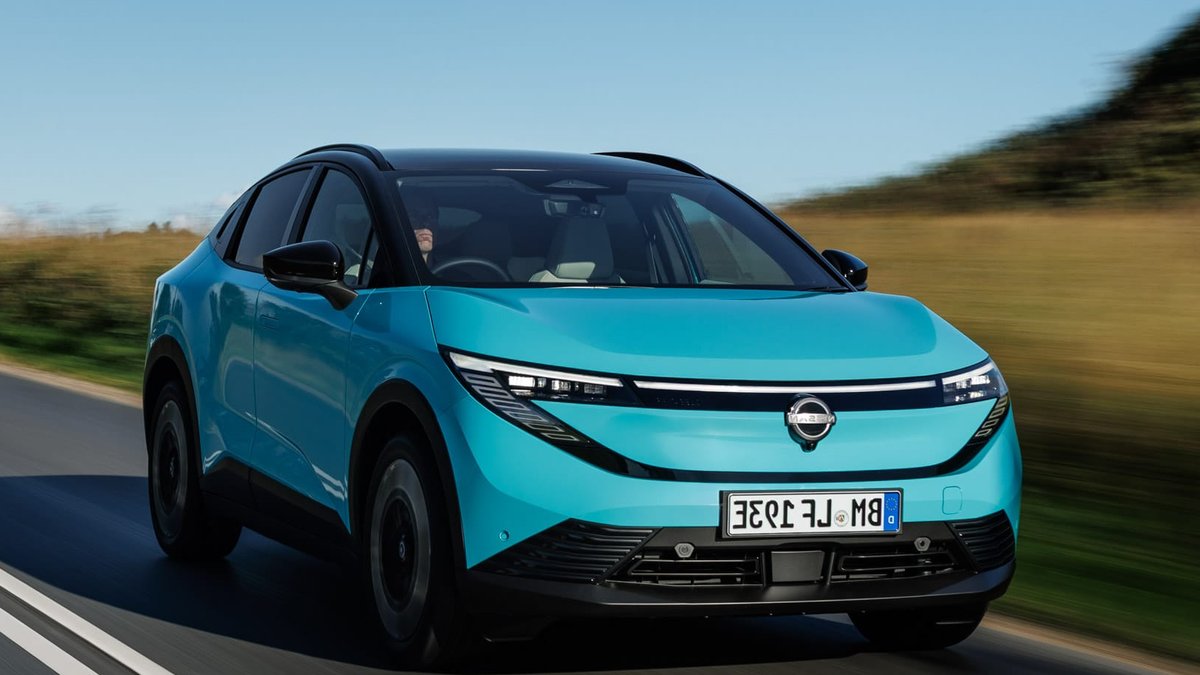
The European Union is considering allowing British electric vehicles to be labeled as “Made in Europe” under new guidelines. This move is part of the EU’s “Made in Europe” industrial policy, which aims to give preference to EU-made products in public procurement and state funding programs.
The policy requires companies to use a certain proportion of European components to access EU subsidies or sell to EU governments and authorities. Electric vehicles from the UK have been under discussion for inclusion in this policy for some time. They have been seeking clarity on the rules that will apply to them.
EU Council Presidency Proposal
Ireland, the current holder of the EU Council Presidency, has presented a compromise proposal to include the UK, as well as other non-EU countries such as Iceland, Liechtenstein, Norway, and Switzerland, in the “Made in Europe” designation. This proposal would extend the designation to the whole of Europe for automotive assembly. The proposal is seen as a way to promote cooperation and trade between European countries.
For vehicle components, an even broader scope could be considered, potentially including countries such as Japan or South Korea. However, EU diplomats emphasize that including non-EU countries would only occur if the principle of reciprocity is respected, meaning access to funding and trade with these states is also granted. They stress that reciprocity is essential for any agreement.
Trade Policies and Tariffs
The EU is pushing for higher tariffs on Chinese electric vehicles to align trade policies. Meanwhile, the UK and EU are negotiating tariffs on electric vehicles traded between them. A 10% tariff is set to apply from January 1, 2027, if no agreement is reached. The UK and EU are working to reach a mutually beneficial agreement.
Read Also: EU sets new quotas for hybrid car imports
The UK produces vehicles like the Nissan Leaf and electric vans from Stellantis for export to the EU, while the EU exports a range of electric vehicles to the UK. The rules of origin agreed in the Brexit trade deal require a certain proportion of the value added in electric vehicles and their batteries to come from the EU or UK. These rules are key for determining the origin of electric vehicles.
From 2027, at least 55% of the vehicle’s value must originate from the EU or UK, with higher percentages required for battery cells, modules, and packs. If these requirements are not met, the 10% tariff will apply. The EU and UK are discussing ways to meet these requirements and avoid the tariff.
Potential Package
It is possible that the EU and UK could negotiate a package that includes both the postponement of EV tariffs and the equal treatment of the UK under the “Made in Europe” rules. There are many supporters of this approach, including the ministers-president of German “automotive states” such as Baden-Württemberg, Bavaria, and Lower Saxony. These ministers-president have demanded that the UK and other established partners be included in the “Made in Europe” rules.
The European Commission is considering postponing the planned 2027 tariffs on electric vehicles in trade with the UK, with London also reportedly in favor of a delay. The commission is weighing the options and considering the potential impact on the EU and UK economies. They are discussing the details of the potential package and how it could benefit both parties.


