
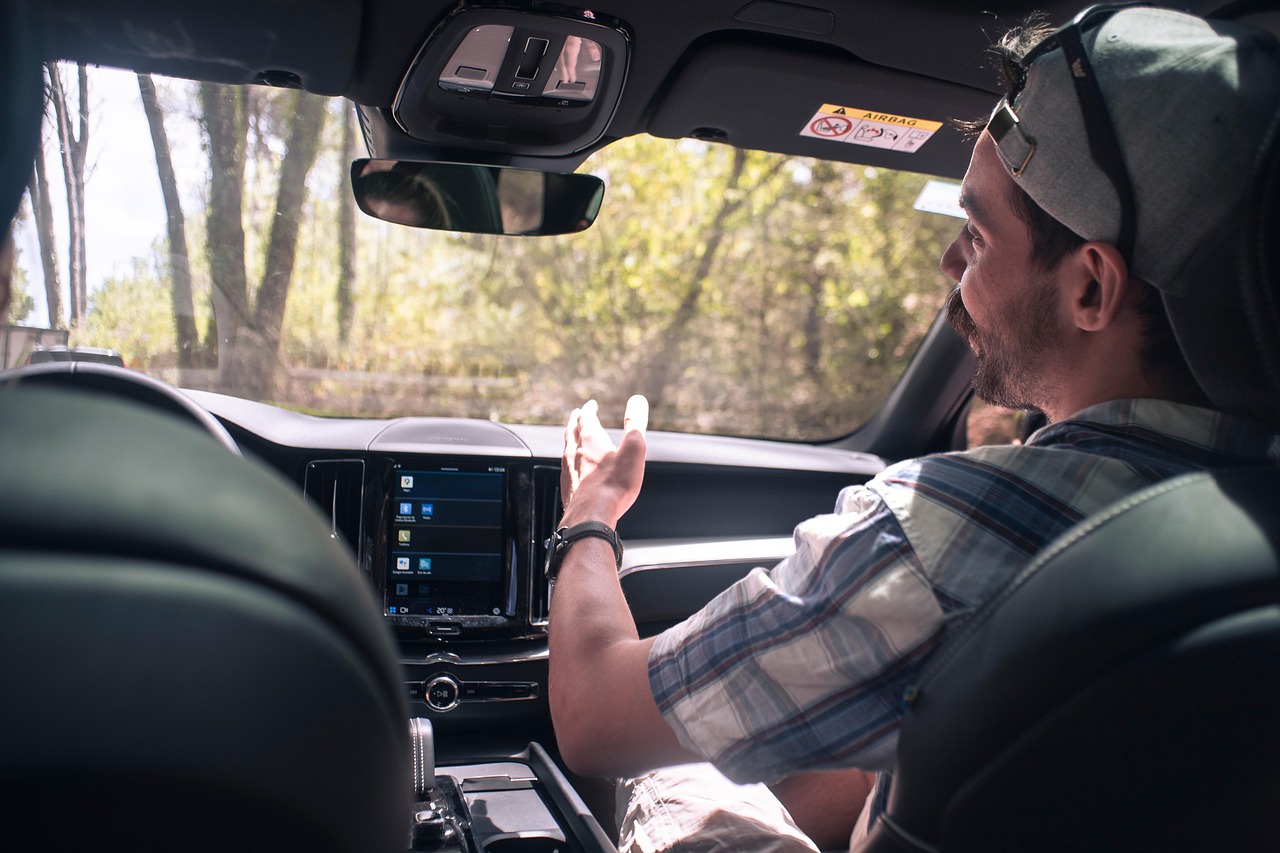
There is a growing trend of dissatisfaction among new car owners regarding their vehicles’ infotainment screens.
According to the J.D. Power 2026 Initial Quality Study, 44.4 out of every 100 mass-market vehicles reported issues with their infotainment systems in the first 90 days of ownership.
The report also notes that there’s a shift in consumer expectations. Modern cars are increasingly integrating smartphone-like features, but this comes with a downside — they also inherit the bugs and connectivity issues commonly found in consumer electronics.
Related: Podcasts on Lab grown diamond engagement rings
Connectivity Issues on the Rise
Apple CarPlay and Android Auto are the primary culprits behind the rise in infotainment problems. These systems accounted for 3.8 problems per 100 vehicles, a significant increase from previous years. Bluetooth issues, in comparison, were minimal at 0.5 problems per 100 vehicles.
Frank Hanley, senior director of auto benchmarking at J.D. Power, attributes this to the rapid pace of software updates from tech giants like Apple and Google. Automakers struggle to keep up, as each update requires extensive validation testing to ensure compatibility with the vehicle’s interconnected systems.
Connectivity problems aren’t limited to screen-mirroring software. Smartphone apps that control vehicle features like climate control and door locks also face issues. This is concerning, as infotainment screens now serve as the central control hub for many cars.
Related: Pakistan Launches Pink Bus Service for Women in Hyderabad
Moreover, the shift to large touchscreens has led to driver complaints about distraction. 46% of drivers who experienced distraction issues blamed the touchscreen. The lack of physical buttons and the need to handle menus to perform basic functions force drivers to take their eyes off the road.
The study also highlights improvements in other areas. The single biggest contributor to the year-over-year boost in vehicle quality came from cupholders, which are now more accessible and can hold a variety of sizes. Driver assistance, EV range, road noise, and final fit and finish also saw large improvements year-over-year.
Automakers Respond to Feedback
Car manufacturers are taking note of consumer complaints. Some are considering eliminating screen-mirroring altogether, while others plan to simplify controls by reintroducing physical buttons. Volkswagen’s CEO has stated that more physical controls are a non-negotiable.
Related: Birmingham’s Sustainable Statement: Choosing Lab-Grown Diamonds for Your Big Day
Hyundai has labeled touchscreen controls as “annoying,” and Polestar has also supported the move towards more physical controls. Regulators in Europe have even pushed automakers to bring back physical controls for better safety ratings. The upcoming Slate Truck, for instance, will have no built-in touchscreen or stereo at all.
This shift in focus towards more traditional controls could significantly reduce infotainment-related issues and improve overall driver satisfaction.


