
“`html
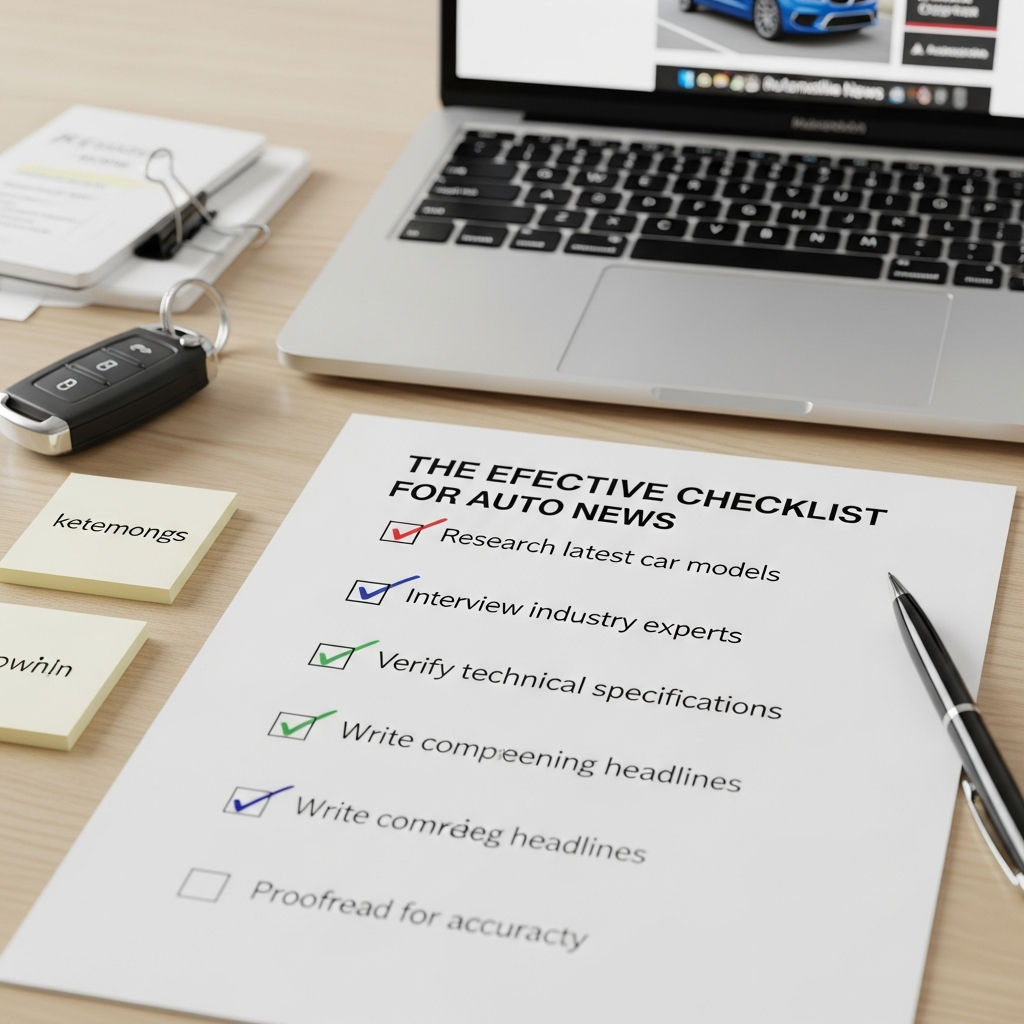
The Ultimate Checklist for Reporting and Publishing Effective Auto News
The automotive industry is one of the fastest-moving sectors in the global economy. With the rapid shift toward electric vehicles (EVs), autonomous driving technology, and ever-changing market fluctuations, staying ahead of the curve is essential for any automotive journalist or blogger. However, speed should never come at the expense of accuracy or quality.
In a digital landscape crowded with “clickbait” and rehashed press releases, standing out requires a disciplined approach to reporting. Whether you are covering a major international auto show or reporting on a local dealership trend, having a standardized process ensures your content is authoritative, SEO-friendly, and engaging. This comprehensive checklist serves as your roadmap for producing high-quality auto news.
1. Pre-Writing: Verification and Source Authenticity
Before a single word is typed, the foundation of your article must be solid. In the era of “leaks” and social media rumors, verifying your source is the most critical step in the auto news checklist.
- Verify the Source: Is the information from an official manufacturer pressroom (e.g., Toyota Newsroom, GM Media) or a reputable spy photographer? Cross-reference rumors with at least two independent sources.
- Check for Embargoes: In automotive journalism, manufacturers often provide information ahead of time under an embargo. Ensure you are not violating these agreements, as it can damage your professional reputation and future access.
- Analyze the Context: Don’t just report that a car was delayed. Investigate why. Is it a semiconductor shortage, a regulatory hurdle, or a strategic pivot toward electrification?
2. Structural Essentials: The Anatomy of a Great Auto Story
Readers in the automotive niche often look for specific data points. If they can’t find them quickly, they will bounce from your page. Structure your article to satisfy both the casual reader and the “gearhead” who wants technical details.
The Headline and Hook
Your headline must be descriptive and contain the primary keyword (usually the Year, Make, and Model). Avoid vague titles like “A New Car is Coming.” Instead, use “2025 Porsche 911 Hybrid: Specs, Release Date, and Everything We Know.”
The “Must-Have” Technical Specs
Every effective auto news piece should include a dedicated section for technical specifications. Ensure you cover:
- Powertrain: Engine type, horsepower, torque, and transmission details.
- Performance: 0-60 mph times, top speed, and towing capacity (if applicable).
- Efficiency: MPG ratings for ICE vehicles or Range/Charging speeds for EVs.
- Pricing: Starting MSRP and trim level breakdowns.
3. SEO Optimization for Automotive Content
To rank on the first page of Google, your auto news must be optimized for search engines. Automotive SEO is highly competitive, focusing on “search intent.”
- Keyword Integration: Use long-tail keywords such as “best luxury SUVs 2024” or “affordable electric trucks.” Include these in your H2 and H3 headers.
- Internal Linking: Link to your previous reviews or news stories about the same brand. For example, if writing about the new Mustang, link to your review of the previous model year.
- Alt Text for Images: Search engines cannot “see” images. Use descriptive alt text like “Front profile of the 2024 Ford Bronco in Cyber Orange” to improve image search rankings.
- Mobile Optimization: Most auto enthusiasts consume news on their phones while on the go. Ensure your site loads fast and your paragraphs are short for easy scrolling.
4. Visual Media Standards
Automotive news is a visual medium. A wall of text will not keep a reader’s attention without high-quality imagery or video content.
When selecting visuals, follow this checklist:

- High-Resolution Images: Use official “hero” shots provided by manufacturers. If using spy shots, ensure you have the rights to use them.
- Interior vs. Exterior: Don’t just show the outside. Readers want to see the dashboard, infotainment screen, and seating materials.
- Video Embeds: If a manufacturer has released a teaser video or a B-roll of the car in motion, embed it. This increases “dwell time” on your page, which is a positive SEO signal.
- Infographics: For complex data, such as comparing the range of five different EVs, a simple chart or infographic can be highly shareable on social media.
5. Fact-Checking and Compliance
The automotive world is litigious and precision-based. A mistake in a torque figure or a safety rating can lead to a loss of credibility.
Safety and Regulatory Data
If you are discussing a vehicle’s safety, always cite official bodies like the IIHS (Insurance Institute for Highway Safety) or the NHTSA. Never guess at safety ratings.
The Pricing Disclaimer
Always clarify if the price includes “destination charges” or “dealer markups.” Use the term “Starting MSRP” to protect yourself from providing misleading financial information.
6. Distribution and Engagement Strategy
Publishing the article is only half the battle. To make your auto news “effective,” it must reach the target audience across various platforms.
- Social Media Tailoring: Create a “TL;DR” (Too Long; Didn’t Read) version for Instagram and a more professional summary for LinkedIn.
- Email Newsletters: Send a weekly digest of the top auto stories to your subscribers. This builds a loyal audience that isn’t dependent on social media algorithms.
- Community Interaction: Monitor the comments section. Answering a reader’s question about a specific feature of the car can build authority and encourage repeat visits.
7. The “Future-Proof” Filter
Before hitting ‘Publish,’ ask yourself if the article provides long-term value. While news is by nature ephemeral, the best auto journalists add evergreen context.
For example, if you are reporting on a new battery technology from Toyota, don’t just report the specs. Explain what this means for the future of the solid-state battery industry and how it compares to Tesla’s current offerings. This makes your article a reference point rather than just a temporary update.
Conclusion: The Value of a Consistent Process
Following a checklist for auto news isn’t about stifling creativity; it’s about ensuring that your hard work reaches the right eyes and provides genuine value. By prioritizing verification, structuring your data for readability, and optimizing for SEO, you position yourself as a trusted voice in the automotive community.
The automotive industry will continue to evolve at a breakneck pace. Whether the world moves toward hydrogen, full electrification, or continues to refine the internal combustion engine, the demand for accurate, well-produced news will remain constant. Use this checklist to ensure every article you publish drives your brand forward.
“`