
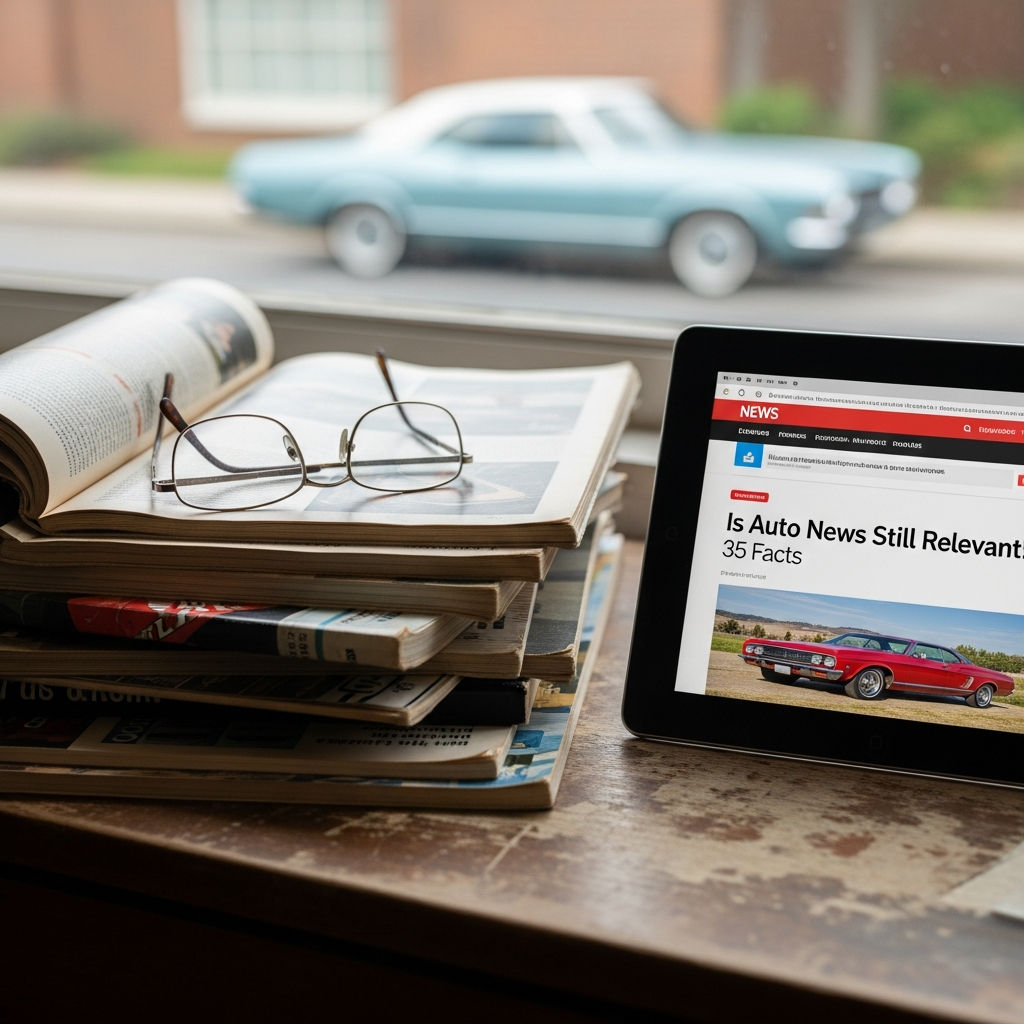
Is Auto News Still Relevant? 35 Facts About the State of Automotive Journalism
In an era dominated by viral TikToks and instant social media updates, many wonder if traditional auto news still holds a place in the modern consumer’s life. The automotive industry is undergoing its most significant transformation since the invention of the assembly line, shifting from internal combustion engines (ICE) to electric vehicles (EVs) and autonomous technology. This rapid evolution makes the role of automotive journalism more critical—and more complex—than ever before.
So, is auto news still relevant? The short answer is yes, but the medium and the message have changed. To understand the current landscape, we have compiled 35 facts that highlight the evolution, impact, and future of automotive news.
The Changing Face of Auto Journalism
Automotive news has migrated from glossy monthly magazines to real-time digital feeds. This shift has changed how we consume information about our favorite vehicles.
- 1. Digital Dominance: Over 90% of car buyers now begin their journey online rather than in a physical showroom.
- 2. The Death of Print: Legendary titles like Car and Driver and MotorTrend have significantly reduced their print frequencies to focus on digital-first content.
- 3. Video is King: YouTube has become the primary source for car reviews, with channels like Doug DeMuro and Carwow reaching millions of subscribers.
- 4. Real-Time Updates: News about recalls, software updates, and price drops is now delivered via push notifications, making “breaking news” faster than ever.
- 5. Social Media Influence: Instagram and TikTok are now the primary platforms for “car spotting” and lifestyle-focused automotive content.
- 6. Specialized Niches: There is a growing market for hyper-niche news sites focusing solely on EVs, off-roading, or classic car restoration.
- 7. Interactive Content: Modern auto news includes 3D configurators and virtual reality (VR) test drives, allowing users to experience a car from their couch.
- 8. The Rise of the Influencer: Traditional journalists now share the stage with influencers who focus more on the “vibe” and lifestyle of a car rather than technical specs.
How Auto News Influences Consumer Behavior
Despite the change in format, the influence of automotive reporting on the actual purchasing process remains massive.
- 9. Research Duration: The average car buyer spends nearly 14 hours researching online before making a purchase.
- 10. Trust in Third Parties: Consumers trust independent auto news outlets 70% more than direct advertisements from manufacturers.
- 11. Range Anxiety Information: Auto news serves as the primary educational tool for debunking myths about EV range and charging infrastructure.
- 12. Reliability Ratings: Long-term test reports from news outlets remain the “gold standard” for consumers looking to avoid “lemons.”
- 13. Safety First: Reporting on IIHS and NHTSA crash test results directly correlates with the sales success of family vehicles.
- 14. Price Transparency: News articles detailing dealer markups and “market adjustments” have helped consumers negotiate better deals during inventory shortages.
- 15. The “Hype” Factor: Positive press coverage can lead to multi-year waiting lists for vehicles like the Ford Bronco or the Tesla Cybertruck.
The Impact of Technology and EVs
The shift toward electric vehicles has reinvented the “news cycle” for cars. We are no longer just talking about horsepower; we are talking about software.
- 16. Software Over Hardware: Modern auto news focuses heavily on “Software Defined Vehicles” (SDVs) and Over-the-Air (OTA) updates.
- 17. Battery Tech News: Breakthroughs in solid-state batteries are some of the most-read topics in the industry today.
- 18. Autonomous Driving Updates: News regarding the safety and legality of Level 3 and Level 4 self-driving tech is a major driver of traffic.
- 19. Environmental Impact: Coverage of a manufacturer’s carbon footprint and sustainability goals is increasingly important to Gen Z and Millennial buyers.
- 20. Charging Network News: Updates on the expansion of Tesla’s Supercharger network to other brands was one of the biggest news stories of 2023.
- 21. Startup Coverage: Auto news now covers tech startups like Rivian and Lucid with the same intensity as legacy giants like Ford and GM.
- 22. The Chip Shortage Legacy: The 2021-2022 semiconductor shortage proved that “supply chain news” is essential for prospective car buyers.
Business and Industry Trends
Automotive news isn’t just for buyers; it’s a vital tool for investors and industry professionals.
- 23. Stock Market Volatility: Automotive news regarding production targets can cause billions of dollars in stock market shifts for companies like Tesla and BYD.
- 24. Merger and Acquisition News: Reporting on partnerships (like Sony and Honda) helps the public understand the future of the industry.
- 25. Auto Show Evolution: Traditional auto shows are being replaced by individual “reveal events” that are live-streamed to news outlets.
- 26. Direct-to-Consumer Sales: News about the legal battles between manufacturers and dealerships is reshaping how we buy cars.
- 27. Subscription Models: Reporting on “heated seat subscriptions” and other pay-walled features has sparked significant consumer debate and legislative action.
- 28. Global Competition: The rise of Chinese automakers (like Xiaomi and Geely) is a dominant theme in European and Asian auto news markets.
The Future of Automotive News
What does the future hold for automotive journalism? The industry is doubling down on data and community.
- 29. AI-Generated Content: Many news outlets are beginning to use AI to generate spec comparisons and basic news summaries.
- 30. Community Forums: Sites like Reddit and specialized forums are becoming “crowdsourced” news hubs that journalists use for sourcing stories.
- 31. Podcasts: Commuters are increasingly getting their auto news through long-form audio discussions.
- 32. Data Journalism: Using big data to track vehicle depreciation and resale value has become a staple of auto news.
- 33. Personalization: AI is being used to deliver personalized auto news feeds based on the specific car a user owns or is shopping for.
- 34. Fact-Checking in the Age of Deepfakes: As AI-generated images of “future cars” flood the internet, traditional news outlets are becoming essential for verification.
- 35. The Human Element: Despite all the tech, the most successful auto news still relies on expert storytelling and the thrill of the “driving experience.”
Conclusion: Why Auto News Matters More Than Ever
Is auto news still relevant? Absolutely. In fact, it is more essential today than it was in the era of print magazines. When cars were purely mechanical, a consumer could rely on a few basic specs. Today, a car is a rolling computer, a sustainable energy storage device, and a high-tech safety suite all in one. Navigating this complexity requires expert analysis, unbiased reporting, and timely information.
The relevance of auto news lies in its ability to translate complex technological shifts into actionable advice for the average driver. Whether you are looking for the best EV for your family, trying to understand if your car’s software is vulnerable to hacking, or simply want to see the latest supercar design, auto news provides the roadmap for the future of mobility.
As we move toward a fully connected and electrified world, the platforms for auto news will continue to evolve, but the need for trustworthy, engaging, and comprehensive automotive journalism will never go out of style.